Increasingly frequent droughts and violent downpours have meant that small-scale water retention is no longer a niche topic. Municipalities, forest districts, water boards and landowners are looking for ways to hold water where it falls — instead of letting it run off quickly. We explain what small-scale retention is, what it offers and how to approach such an investment.
What small-scale water retention is
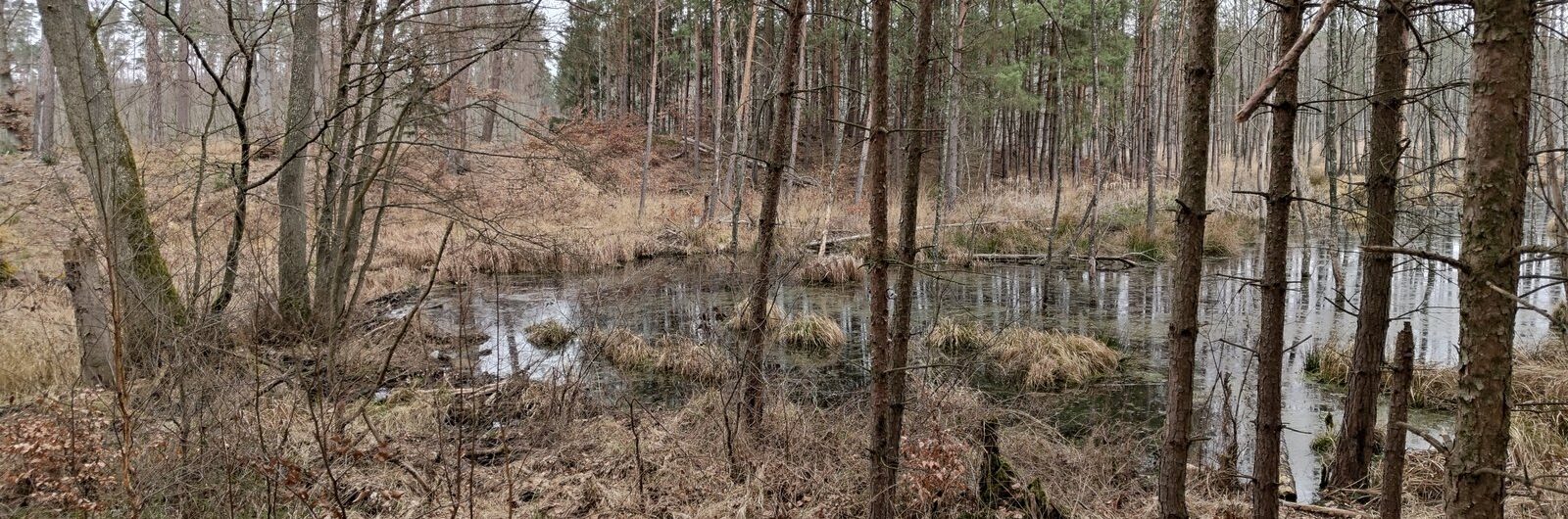
Small-scale retention is a set of measures and small structures that slow down runoff and hold water in the landscape — in watercourses, ditches, reservoirs, wetlands and the soil. Unlike large dam reservoirs, it relies on many small solutions dispersed across the catchment which together produce a real effect.
Why use small-scale retention — the benefits
- Drought protection — water held in spring is available in periods of shortage,
- Reduced flood and waterlogging impact — slowed runoff lessens sudden surges,
- Environmental benefits — restoring wetlands and improving biodiversity,
- Support for agriculture and forestry — more stable soil-water conditions,
- Better water quality — natural retention limits the runoff of pollutants.
Example small-scale retention solutions
Depending on the terrain and the goal, the measures used include weirs and check dams raising water in ditches and watercourses, small reservoirs and ponds, sills and rapids, the renaturalisation of beds and the restoration of wetlands. The choice of solution should follow from an analysis of the catchment and the hydrological conditions, not from a ready-made template.
Small-scale retention and funding
Retention investments are regularly supported from national and EU funds — through programmes aimed at, among others, municipalities, forest districts and water boards. The scope of calls, the conditions and the amounts change over time, so before starting it is worth checking the current funding options and matching the scope of the undertaking to them.
Where to start — investment stages
The typical path is: concept → documentation and permits → design → execution → supervision. Most small-retention structures are water structures, so at an early stage a water-law permit assessment and the permit question come into play. The earlier the formal side is thought through, the more smoothly the whole investment proceeds.
Frequently asked questions (FAQ)
How does small-scale retention differ from large reservoirs?
Small-scale retention relies on many small, dispersed solutions across the catchment rather than on one large structure. It is cheaper, less intrusive to the environment and easier to deliver in stages.
Does small-scale retention require a water-law permit?
Most often yes — the majority of structures are water structures. Some activities may require only a notification. Worth establishing at the concept stage.
Who can deliver such investments?
Most often municipalities, forest districts, water boards and landowners — frequently with external funding.
Planning a small-scale retention investment? Contact us — from concept, through documentation, to supervision. See our projects.